Happy Snowman: A Designer’s Stitch-Out Review
First Impressions of This Holiday Digitizing
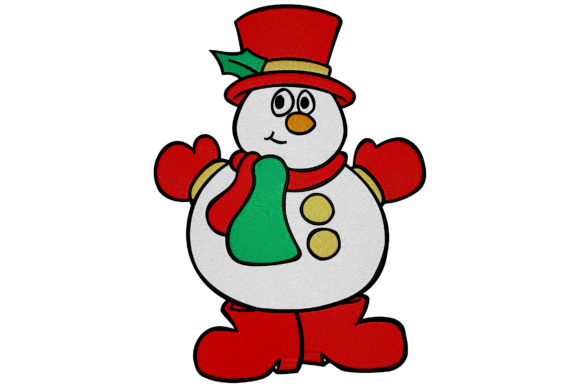
When evaluating a new machine embroidery design for the holiday season, I look beyond the digital preview and focus on how the artwork translates to thread. The Happy Snowman design immediately strikes a balance between nostalgic charm and modern stitch efficiency. As a digitizer and product reviewer, my first impression is that this artwork understands the medium. It does not try to force photographic realism into a format that demands stylization. Instead, it embraces the tactile nature of embroidery with shapes that are distinct and readable from a distance.
The mood is undeniably cheerful without being juvenile, making it a versatile asset for both children’s wear and adult holiday apparel. For an Etsy seller or small shop product creator, this distinction matters. You need designs that appeal to a broad demographic during the peak Christmas rush. The layout suggests a thoughtful approach to stitch density, avoiding the bulletproof stiffness that plagues many seasonal files. When I loaded this digital embroidery file, the pathing appeared logical, which usually indicates fewer trims and a smoother production run.
Real-World Application: Custom Sweatshirt Production
To truly judge the viability of Happy Snowman, I approached it with a specific production scenario in mind: creating a line of premium holiday sweatshirts for a boutique client. Sweatshirt fleece is a challenging canvas due to its texture and stretch. A poorly digitized snowman can sink into the pile or distort when the garment moves.
In this real-life test, the design performed admirably as a centerpiece for sweatshirt embroidery. Because it was digitized by hand rather than auto-generated, the underlay seems calibrated to stabilize the fabric before the top stitches lay down. This is critical for maintaining shape on knit fabrics. I found that the design holds its integrity even on heavier fleece, provided you use adequate stabilizer. For my project, a cutaway stabilizer was necessary to prevent puckering around the perimeter.
From a business perspective, this design offers excellent value for custom apparel. It stitches out fast enough to keep profit margins healthy but retains enough detail to justify a higher price point than generic clip art. If you are running a craft business, having a reliable go-to winter motif that works across multiple sizes allows for efficient batching. I could easily see this working as part of a coordinated collection, perhaps paired with a smaller matching icon on the sleeve or cuff.
Fabric Compatibility and Technical Considerations
While Happy Snowman is versatile, no single embroidery file is universal. Understanding where this design excels and where it requires caution is key to professional results. Since these digital files are available in five sizes, you have flexibility, but each size has its own physical limitations.
- Tote Bag Design: Canvas and denim provide a stable foundation. This design likely shines here, offering crisp edges and high contrast. It is an ideal candidate for reusable holiday shopping bags.
- Baby Embroidery: Exercise caution with the smallest size on baby clothes. Ensure the stitch count isn't too dense for delicate knits. Always test on scrap fabric first to ensure the design doesn't create a rigid spot that could irritate sensitive skin.
- Kitchen Towels and Tea Towels: Linen and terry cloth are classic choices. However, textured fabrics require a water-soluble topping to prevent stitches from sinking. Verify that the satin stitch columns are wide enough to cover the towel's weave.
- Caps and Curved Surfaces: Unless the design has been specifically digitized for caps (with center-out sequencing), proceed carefully. Flat designs can distort on curved brims. Test on a scrap cap before committing to a full production run.
For those considering this as an applique design element or incorporating applique techniques alongside it, check the layering order. Hand-digitized files often accommodate mixed media better, but verifying the stop points for fabric placement is essential for a clean finish.
Visual Impact and Commercial Viability
Aesthetics drive sales, especially in the saturated holiday market. Happy Snowman succeeds because it prioritizes clarity over complexity. In commercial embroidery, readability is king. Customers browsing online listings or walking past a booth at a craft fair need to recognize the motif instantly. The visual personality of this snowman feels handmade and intentional, which builds trust in your brand.
When creating printable mockups or listing photos, consider how the design interacts with different background colors. High-contrast thread colors against dark fabric will make the details pop, while tonal stitching on light fabric creates a sophisticated, subtle look. This adaptability increases the perceived value of your finished product. Whether you are selling personalized gifts or ready-to-wear items, the design’s balanced proportions ensure it looks professional rather than like a DIY afterthought.
For digital product sellers offering this as part of a bundle or standalone asset, the "digitized by hand" claim is a significant selling point. Buyers are increasingly wary of auto-digitized files that cause machine errors. Highlighting the manual craftsmanship in your listing description can differentiate your shop from competitors using automated software.
Essential Pre-Stitch Checklist for Makers
Before you commit Happy Snowman to your final project or list it in your shop, run through this practical evaluation process. These steps protect your materials and your reputation.
- Verify Hoop Size Compatibility: Confirm that the five included sizes fit your specific machine hoops. Do not assume standard sizing; always measure your usable embroidery area.
- Test Stitch Density: Run a sample on the exact fabric you intend to use. Check the back of the embroidery. If the bobbin thread is visible on top or the fabric is tunneling, adjust your tension or change stabilizers.
- Check Thread Color Contrast: View your chosen palette in natural light. Some reds and greens vibrate visually when placed next to each other. Ensure the snowman’s features remain distinct.
- Review Licensing Terms: Before selling finished items or the digital file itself, confirm the commercial usage rights. Protect your business by understanding exactly what is permitted.
- Inspect Small Details: If resizing down to the smallest option, check that facial features and buttons remain open. Running stitch details may disappear if reduced too aggressively.
- Mockup Validation: Create a black and white version of your mockup to test value contrast. If the design looks muddy in grayscale, it needs more definition in thread color selection.
Final Thoughts for the Holiday Season
Happy Snowman represents a solid investment for embroiderers preparing for the festive rush. Its hand-digitized quality addresses the common pain points of seasonal machine embroidery: density issues, poor registration, and lack of character. By treating this design as a professional tool rather than just a cute picture, you can elevate your product line.
Whether you are stitching a personalized gift for a neighbor or fulfilling fifty orders for an online store, the reliability of your source files dictates your success. Take the time to test, stabilize correctly, and choose appropriate fabrics. When executed well, this design delivers the kind of polished, heartwarming result that turns one-time buyers into loyal customers. Remember that in embroidery, the difference between amateur and professional often lies in the preparation, not just the stitching. Use this review as a guide to get the most out of your holiday production schedule.