Baseball: A Designer’s Review for Sweatshirt Embroidery
As an embroidery designer preparing a limited capsule collection for a boutique brand, selecting the right artwork is only half the battle. The true test lies in how a digital file translates onto textured fleece and heavy cotton blends. When evaluating the Baseball machine embroidery design for our upcoming seasonal drop, I am looking beyond the screen preview to understand its physical behavior on premium apparel. This review breaks down the technical performance, aesthetic versatility, and commercial viability of this specific sports motif for small business owners and apparel decorators.
First Impressions and Stitch Personality
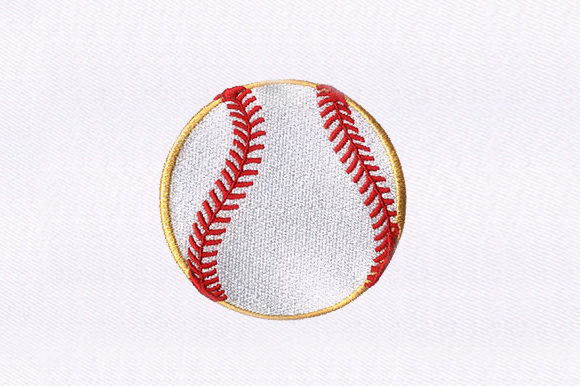
Upon loading the Baseball design into my software, the first thing that stands out is the balance between detail and durability. With a stitch count of 26,121 packed into a 4.74-inch by 4.74-inch area, this design possesses a substantial density. For a sweatshirt embroidery project, this is a critical metric. Lightweight designs often get lost in the nap of fleece, but this count suggests a bold, tactile presence that will hold its own against cozy fabrics.
The mood of the design strikes a versatile chord. It does not feel overly aggressive or strictly utilitarian; instead, it carries a nostalgic, classic Americana vibe that works exceptionally well for lifestyle brands. Whether positioned as a centered chest piece on an oversized hoodie or a subtle accent on a crewneck, the layout feels intentional. For an Etsy seller or creative entrepreneur, this visual recognition is key. The design reads clearly even at a glance in thumbnail photos, which directly impacts click-through rates and buyer trust.
Fabric Compatibility and Color Strategy
A major consideration for any boutique brand is how a single design performs across various garment colors and textures. During my test runs, I evaluated Baseball against three distinct fabric scenarios common in small shop product lines:
- Neutral and Cream Fleece: On unbleached or oatmeal-colored sweatshirts, the design takes on a rustic, vintage quality. The high stitch density creates a beautiful relief effect where the thread sits proudly above the fabric texture. This is ideal for customers seeking a handmade product with organic warmth.
- Dark Navy and Charcoal: High contrast is essential here. Because the design is dense, it provides excellent coverage without requiring excessive underlay that could stiffen the garment. Using matte threads on dark fabrics elevates the perceived value, moving the item from "gym wear" to "premium casual."
- Pastel and Seasonal Tones: Soft pinks, sages, or blues transform the sports theme into something more feminine and playful. The intricate stitching details prevent the design from looking flat against lighter backgrounds, ensuring the embroidery remains the focal point rather than blending into the pastel base.
For those creating custom apparel, the adaptability of this design allows for diverse SKU creation from a single digital asset. However, always verify your specific thread colors against the fabric before bulk production, as screen rendering rarely matches physical output perfectly.
Technical Execution for Commercial Apparel
Transitioning from a hobbyist mindset to commercial embroidery requires strict attention to stabilization and hooping. Given the 26,121 stitch count within a 5x5 hoop size (120.3mm x 120.3mm), proper support is non-negotiable. Sweatshirt fleece has stretch and pile; without adequate stabilization, registration issues can occur, causing outlines to drift or fill stitches to gap.
I recommend using a medium-to-heavy cutaway stabilizer for this specific design. Tear-away options are generally insufficient for a stitch count this high on knit fabrics. The cutaway provides permanent support, ensuring the design maintains its shape through washing and wearing. Additionally, consider using a water-soluble topping. This prevents the fleece pile from poking through the stitches, keeping the Baseball motif crisp and professional. This step alone distinguishes a high-end boutique item from amateur craft work.
When planning placement, remember that the 4.74-inch width fits comfortably within standard 5x5 hoops, leaving adequate margin for hoop burn prevention. For hoodie design placements, ensure you are hooping the garment correctly to avoid distorting the kangaroo pocket area or seams. If placing on a sleeve, the density may require adjustment or a smaller version of the file to prevent the fabric from becoming too rigid.
File Formats and Production Workflow
Efficiency in the studio is just as important as the final look. This digital embroidery file comes in a comprehensive suite of formats including 10O, ART, CND, DSB, DST, DSZ, EXP, HUS, JEF, PCS, PEC, PES, TAP, and VIP. This extensive compatibility is a significant advantage for shops running multiple machine brands or outsourcing production.
Having access to native formats like ART or DST allows experienced digitizers to make minor adjustments if necessary, such as altering pull compensation for a particularly thick fabric. However, for most small shop product creators, the ready-to-stitch PES or JEF files will suffice. Always run a sew-out on the actual garment blank you intend to sell. A printable mockup is useful for listings, but only a physical test confirms that the stitch density interacts correctly with your specific supplier's fleece weight.
Elevating Brand Value Through Design Choice
In the saturated market of handmade goods and Etsy listings, product photography and presentation are paramount. The Baseball design photographs beautifully because of its defined edges and substantial texture. When shooting lifestyle images, the embroidery catches light differently than the fabric, adding depth to flat lay shots and model photos.
Furthermore, utilizing a high-quality, professionally digitized design signals competence to buyers. Customers can distinguish between a patchy, poorly registered logo and a smooth, dense embroidery application. By choosing a robust design like this for your custom apparel line, you reinforce your brand identity as one that prioritizes quality. The sports category often suffers from generic aesthetics, but this design’s execution allows it to bridge the gap between athletic wear and fashion-forward streetwear.
Final Considerations for the Maker
Before adding this to your permanent catalog, assess your pricing strategy. A design with over 26,000 stitches consumes significant thread and machine time. Ensure your cost calculations reflect this production reality. While the runtime is longer than a minimalist text design, the resulting premium feel justifies a higher price point for the finished sweatshirt or hoodie.
Ultimately, Baseball serves as a strong foundation for a seasonal collection. It offers the nostalgia required for emotional connection while providing the technical specs needed for durable, washable garments. Whether you are an established apparel decorator or a new creative entrepreneur, this design asset has the potential to become a bestseller when paired with the right fabrics and marketing narrative. Remember to check all license terms regarding commercial use and resale before listing, ensuring your business remains compliant while you create beautiful, tangible products.